Solar system components

See the whole system.

Modules are only the visible part. A residential solar system also includes how it meets the roof, an inverter, an electrical connection, often monitoring, sometimes export metering — and the home and grid it connects to.
  1. Home
  2. Roof
  3. Usage
  4. System
  5. Proposal
  6. Decision
  7. Project path
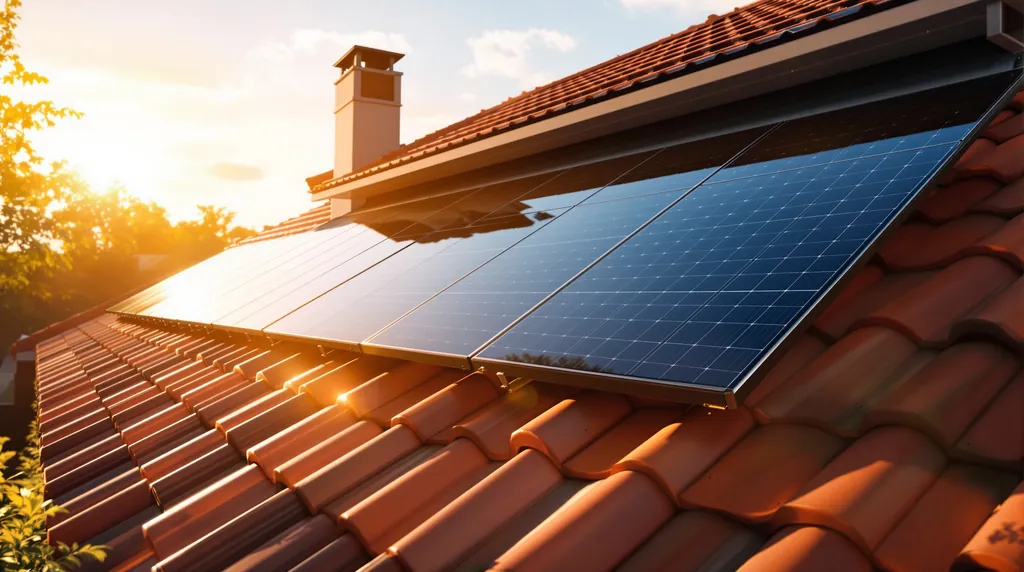
Conceptual image

System · Conceptual

Array
Modules on roof plane
Conversion
Inverter, DC → AC
Connection
Consumer unit
Interface
Home and grid

01 Exploded view

Every layer, pulled apart.

A conceptual, exploded view of a residential system — from the modules down through the roof interface, across to the inverter, and out to the home and the grid.

Conceptual — not an installation specification

The whole residential solar system, conceptually An exploded view of three roof layers: solar modules on top, the mounting and roof interface beneath, and the roof itself. From the modules, a line of light leads to the inverter, then to monitoring where applicable, to the metering and export interface where applicable, into the home, and on to the grid. MODULES MOUNTING / ROOF INTERFACE ROOF INVERTER MONITORING* METERING / EXPORT* HOME GRID

* Monitoring and export metering where applicable.

Parts in the diagram

  1. 01 Solar modules Panels of photovoltaic cells behind glass.
  2. 02 Mounting / roof interface Conceptually, the rails and fixings that hold modules to the roof and the way they meet the roof covering.
  3. 03 Inverter Converts the array’s direct current into alternating current the home can use.
  4. 04 Electrical connection Cabling and protective devices that connect the system to the household’s consumer unit.
  5. 05 Monitoring, where applicable A display or app that shows what the system is generating.
  6. 06 Metering / export interface, where applicable Where export arrangements exist, suitable metering records electricity leaving the home for the grid..
  7. 07 The home Household circuits and appliances use solar electricity first, as it is generated..
  8. 08 The grid Supplies the home when solar is not enough, and receives surplus electricity when the array produces more than the home uses..

02 The parts

Eight parts, one system.

Each part affects the others. A proposal should explain how the chosen products work together, not list them in isolation.
  1. 01 MODULES

    Solar modules

    Panels of photovoltaic cells behind glass. Together they form the array that generates direct current from daylight.

  2. 02 MOUNTING

    Mounting / roof interface

    Conceptually, the rails and fixings that hold modules to the roof and the way they meet the roof covering. The method depends on the roof and is confirmed for the project.

  3. 03 INVERTER

    Inverter

    Converts the array’s direct current into alternating current the home can use. Often the place where performance can be monitored.

  4. 04 CONNECTION

    Electrical connection

    Cabling and protective devices that connect the system to the household’s consumer unit. Requirements are confirmed for the individual installation.

  5. 05 MONITORING

    Monitoring, where applicable

    A display or app that shows what the system is generating. What is available depends on the equipment chosen.

  6. 06 METERING

    Metering / export interface, where applicable

    Where export arrangements exist, suitable metering records electricity leaving the home for the grid.

  7. 07 HOME

    The home

    Household circuits and appliances use solar electricity first, as it is generated.

  8. 08 GRID

    The grid

    Supplies the home when solar is not enough, and receives surplus electricity when the array produces more than the home uses.

03 System choices

The product specification matters.

Two systems with the same headline size can be built from quite different products. A proposal should name the products and explain why they suit the roof and the household.

Solar modules can vary by

Solar modules

  • Dimensions
  • Rated output
  • Efficiency
  • Appearance
  • Manufacturer
  • Technology
  • Warranty terms

Inverters can vary by

Inverters

  • Capacity
  • Topology
  • Monitoring
  • Compatibility
  • Configuration

Warmbrick does not name manufacturers or warranty periods on this website. Products and their terms are set out in each proposal.

04 Specification

What this page does not do.

This page explains the parts of a system in general terms. It does not specify equipment, fixing methods, cable routes or electrical work for any home — those belong to an individual design and installation specification.
What a proposal should show

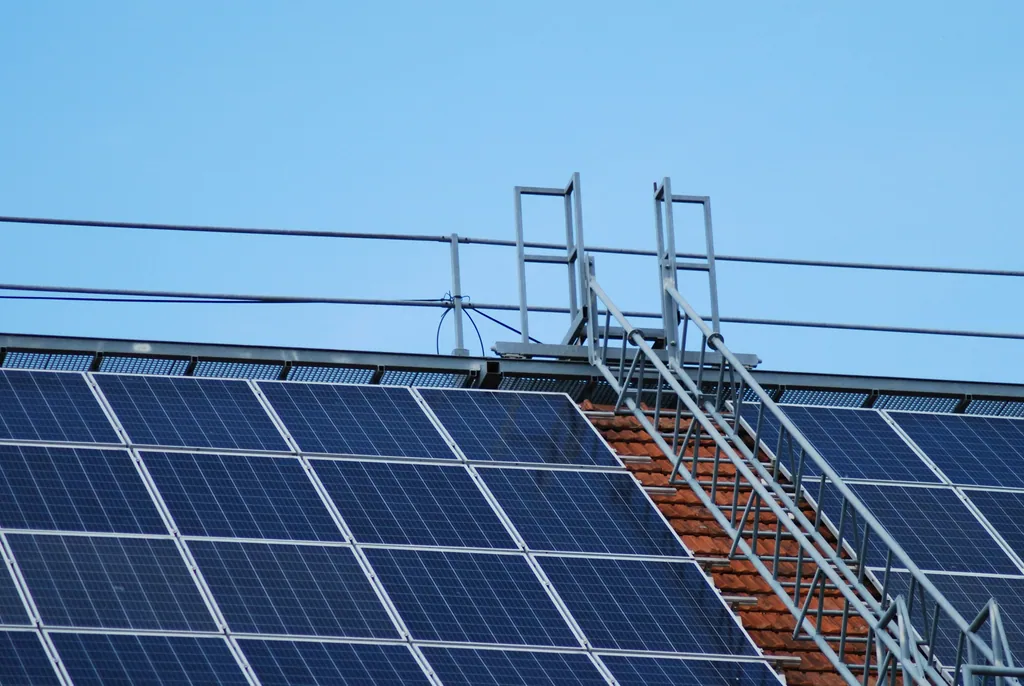
Close view of solar modules and their frames
Solar equipment context Photo: Istvan Hernek on Unsplash

Warmbrick principle

Understand the system before you buy the system.

Questions

System questions

Is this diagram a specification for my home?

No. It is a conceptual view of the parts a residential system typically includes. The actual products, layout, fixing method and electrical work are set out for the individual project and confirmed through technical assessment.

Does every system include monitoring?

Many inverters include some form of monitoring, but what is available depends on the equipment. A proposal should say what monitoring, if any, is included.

Do I need a new meter?

It depends on the existing metering and any export arrangement. Customers interested in export payments should review current Smart Export Guarantee requirements and participating supplier terms.
Proposal · Conversation

What could solar look like on your home?

Tell us about the property and household electricity use to begin the conversation.

No obligation. Nothing is sold through this website.